F1 is back at Sepang: what it means for Malaysia's hopes of a permanent race
A record 261,000 fans turned up and the Prime Minister is talking to F1. But money, contracts and a crowded calendar stand in the way.
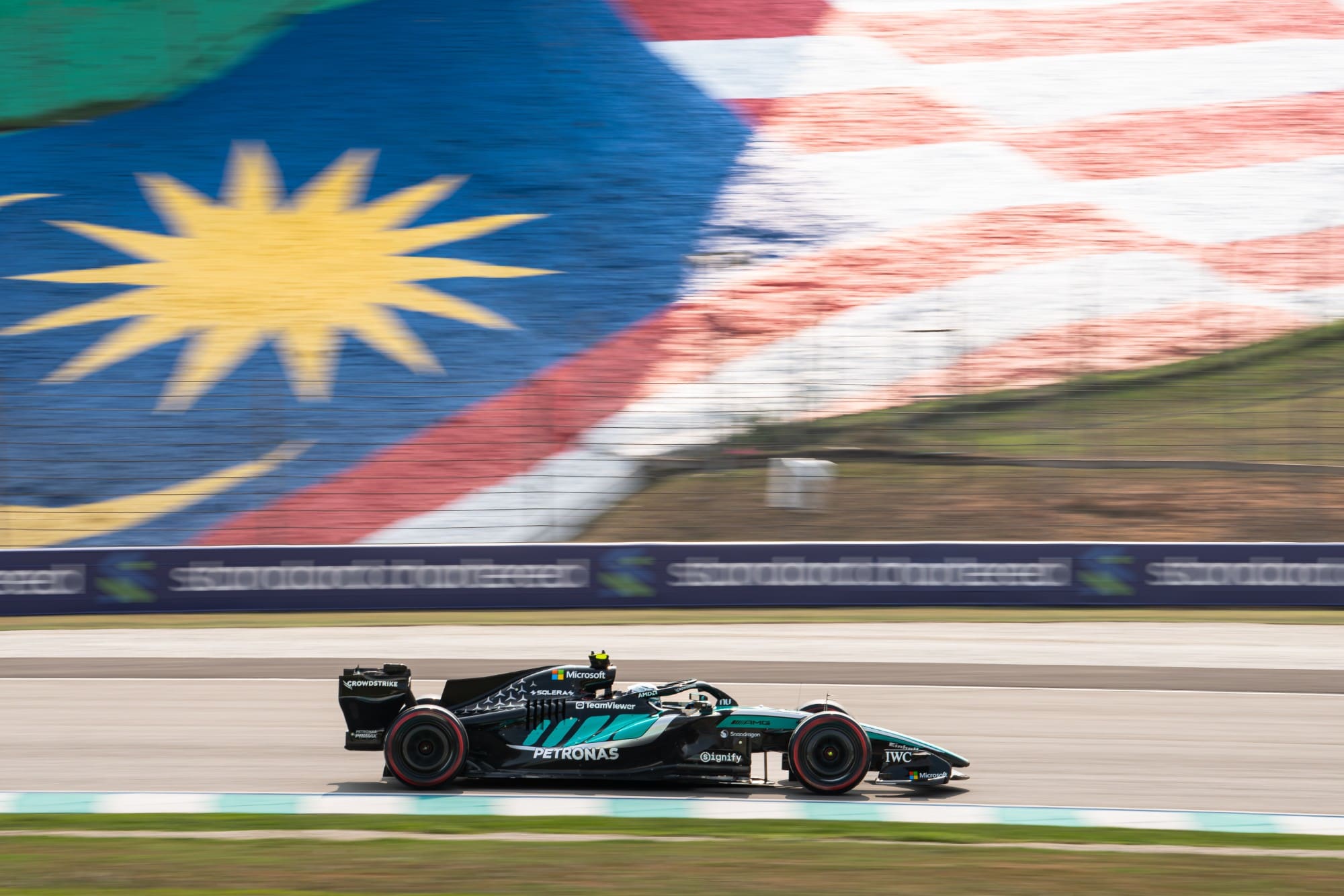
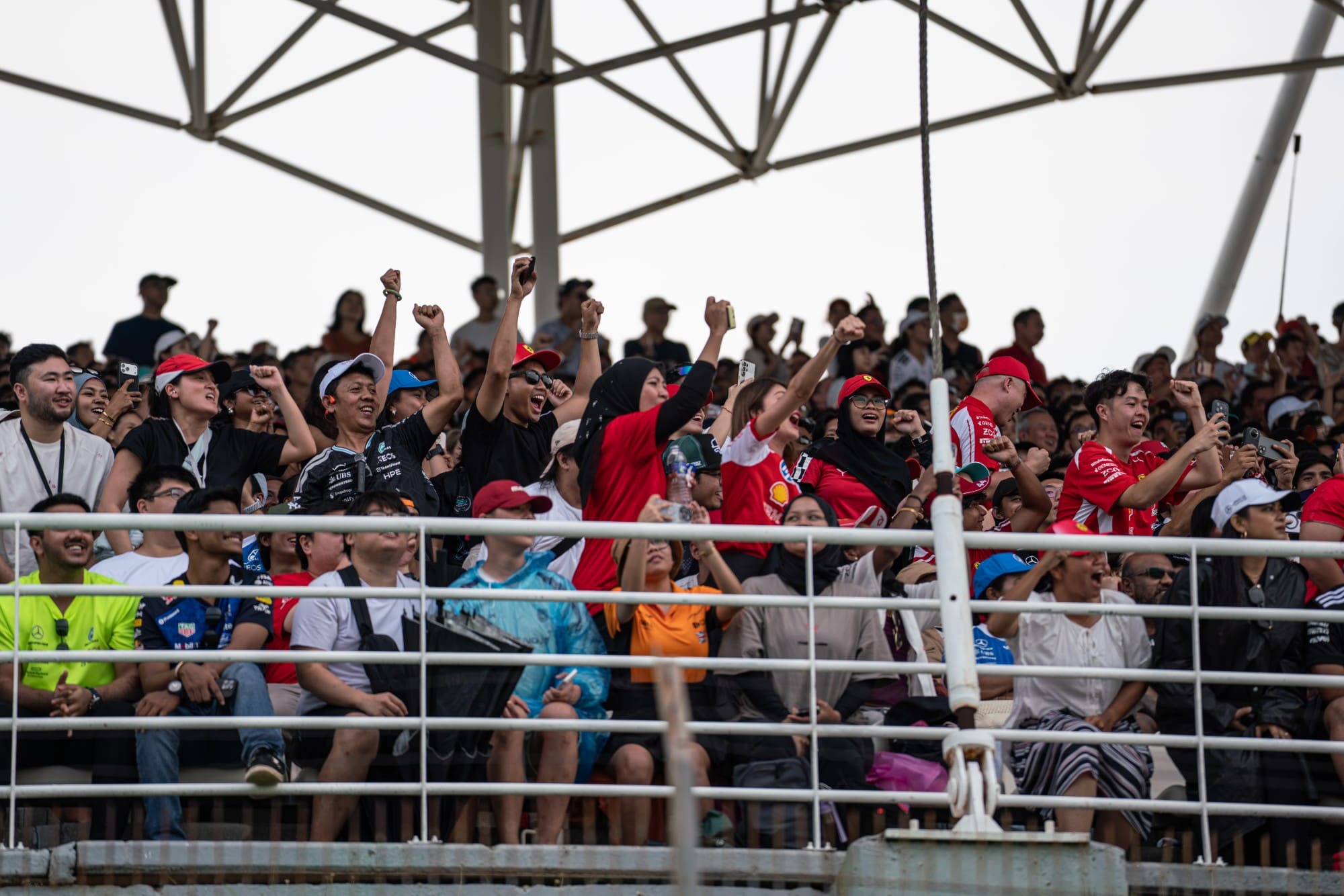
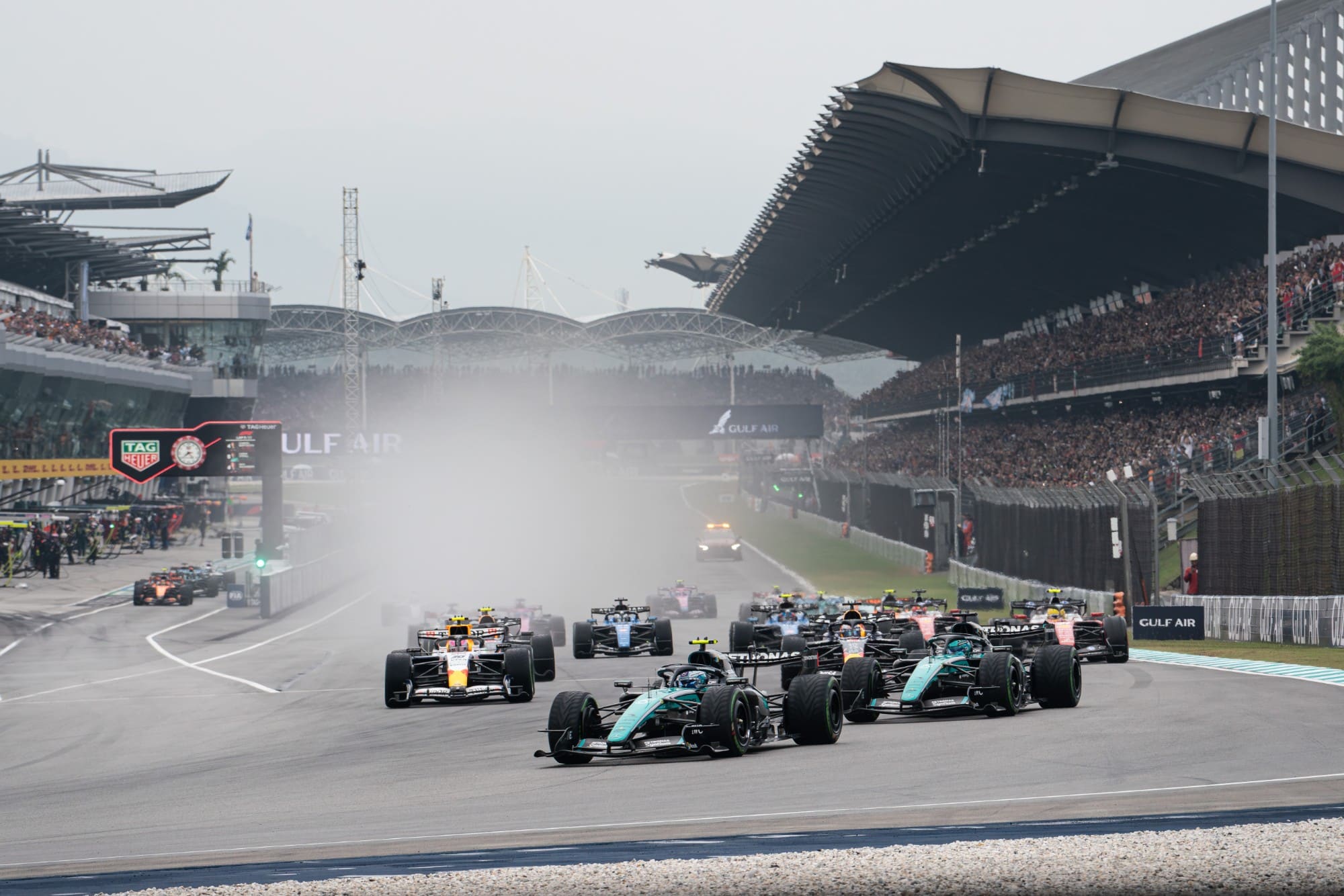
Sepang proved one thing in October: Malaysians still want Formula 1. The weekend sold out, and 261,000 people attended over three days, including 103,000 on race day. That is the biggest crowd in Sepang’s history. Now the question is whether this one-off can become a permanent Malaysian Grand Prix.
What the government says
Prime Minister Anwar Ibrahim met F1 chief executive Stefano Domenicali during the weekend. “We discussed the prospect of reinstating the Malaysian Grand Prix as a permanent fixture on the F1 calendar,” he said.
He was careful not to promise anything. A return will take time, he said, because of F1’s crowded calendar and its contracts with current host countries. The cabinet will weigh whether Malaysia can host the race and what it would bring to the economy.
The three obstacles
1. Money. Sepang left the calendar after 2017 because it could not afford F1’s hosting fees. A circuit official put the cost of a permanent slot at around RM300 million a year. This year, Bahrain paid most of the reported US$50 million fee. Next time, Malaysia would be paying.
2. The calendar. F1 already runs more than 20 races a year and has a waiting list of venues that want in.
3. Contracts. Current host countries have long-term deals. A new slot opens only when one of them ends or is moved.
So when?
Nobody official has given a date. One paddock source says 2030 is the earliest Sepang could return under current deals. Sepang officials would not confirm or deny that. Other reports say Sepang will push hard for 2028.
What would help Malaysia’s case
- The crowd. A sold-out, record 261,000-strong weekend is a strong argument for any promoter.
- The location. Sepang sits between Singapore and the rest of Asia’s races, which suits F1’s push to group nearby events together.
- Getting the basics right. The travel problems this year, from shuttles stopping to fans walking the motorway, were blamed on Bahrain’s organisers working to an eight-week deadline. A Malaysian-run event would need to fix them.
RM300 million sounds like a lot until you count 261,000 visitors, the money they spend, and the world watching Malaysia for a weekend. Done right, it can pay for itself.
The bottom line
The October race showed the demand is real. The money and the calendar are the hard part. Watch for a cabinet decision and any joint announcement with F1.