Why the Bahrain Grand Prix was held in Malaysia, explained
A war in the Gulf, an eight-week deal and a race that kept its name. How Sepang ended up hosting Bahrain's Grand Prix in October 2026.
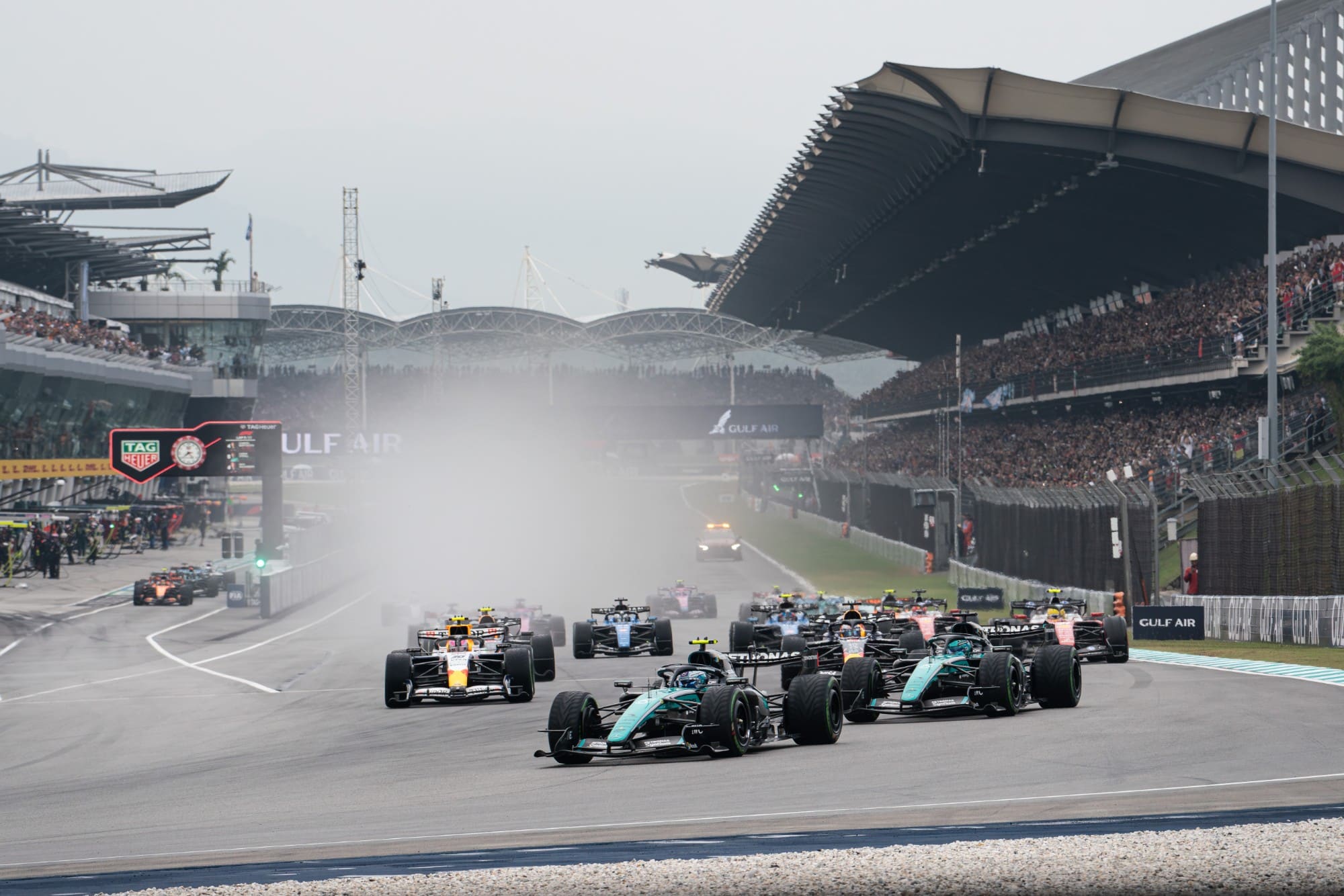
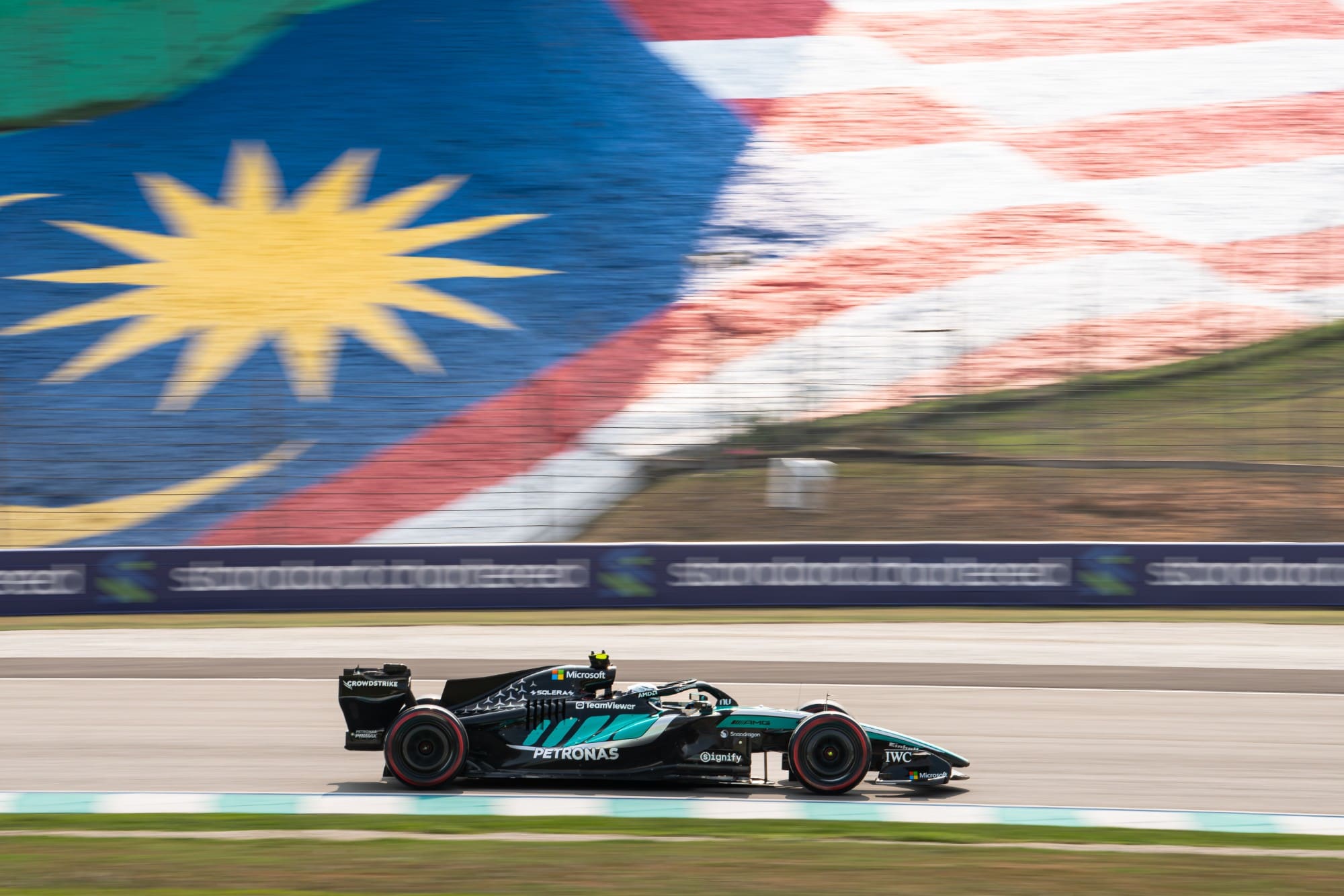
Formula 1 raced at Sepang on 4 October 2026 for the first time in nine years. But officially, Malaysia did not host a Malaysian Grand Prix. It hosted the Bahrain Grand Prix. Here is how that happened.
The April race that never ran
The 2026 Bahrain Grand Prix was meant to be round four, on 10 to 12 April at the Bahrain International Circuit. War broke out in the region at the end of February. Iranian attacks hit targets near the circuit and air travel across the Gulf was heavily restricted.
On 14 March, F1 and the FIA announced that the Bahrain and Saudi Arabian rounds would not go ahead in April. Saudi Arabia’s race stayed cancelled. Bahrain’s went looking for a new home.
Why Sepang
On 26 July, F1 and the FIA confirmed that Sepang would host the race on 2 to 4 October. The deal was struck between F1, the FIA and the governments of Bahrain and Malaysia.
Sepang made sense for three reasons:
- The calendar. The race slotted in between Azerbaijan on 26 September and Singapore on 11 October. Sepang is about 320 km from Singapore, so teams could run it as a triple-header without a long detour.
- The circuit. Sepang was built for Formula 1 and hosted the Malaysian Grand Prix from 1999 to 2017. It is an FIA Grade 1 circuit, the top level of track licence and the one every F1 venue needs.
- The money. Bahrain paid most, if not all, of the reported US$50 million hosting fee. That is roughly RM205 million.
Why it kept the Bahrain name
Bahrain stayed the official host. The race kept its title, the Formula 1 Gulf Air Bahrain Grand Prix, and Bahrain set ticket prices and kept the ticket revenue, with tickets sold through the Bahrain International Circuit website.
Malaysia’s role was the venue and support. The government spent between RM10 million and RM16 million on preparations.
A favourite, back after nine years
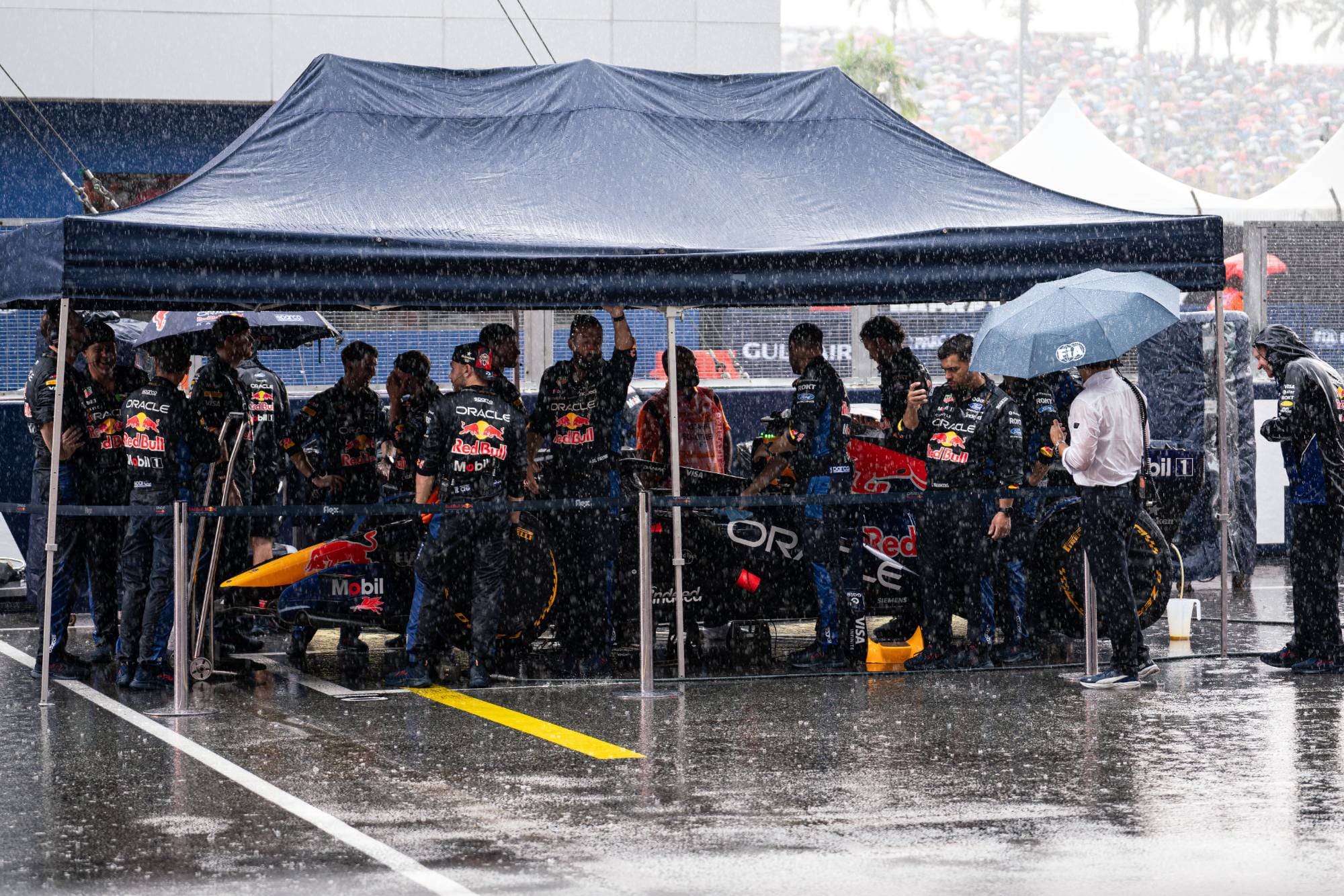
Sepang has always been popular with fans and drivers alike. Its long straights, fast sweeping corners and tropical heat and rain make it one of the toughest tests on the calendar, and a return there was billed as a “golden ticket” for the drivers. This year there was an extra question too: how would the all-new 2026 cars handle a circuit none of them had ever raced on?
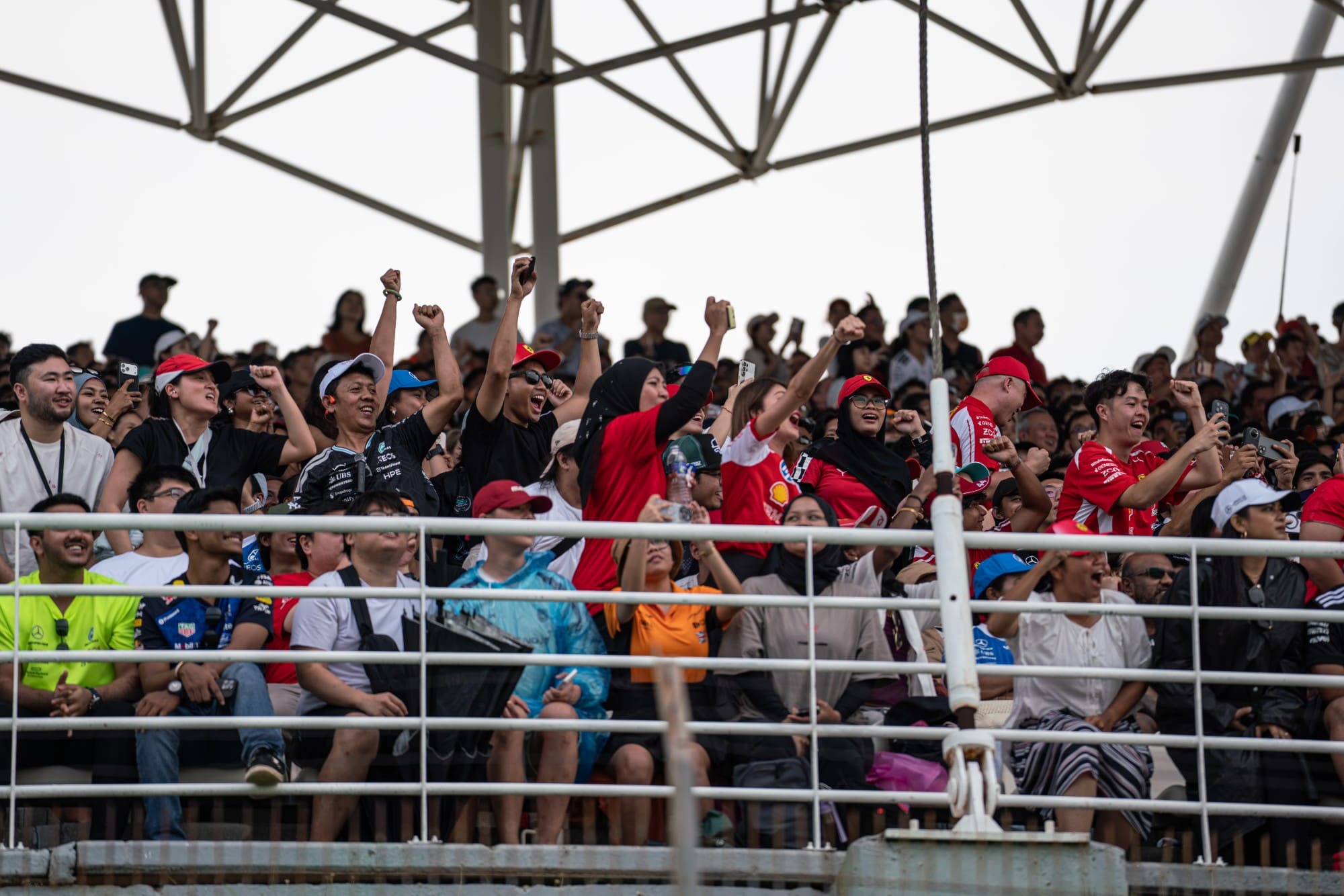
Fans clearly wanted to find out. The weekend sold out, and 261,000 people came through the gates over three days, including 103,000 on race day. That is a Sepang record, beating the 126,690 of 2008.
For a generation of Malaysian fans, Sepang was where they fell in love with F1. Seeing it packed again, after nine years of watching from afar, felt like getting something back.
How it went
Max Verstappen won from pole, his first win of 2026, ahead of Kimi Antonelli and Lewis Hamilton. Verstappen had also won the last Malaysian Grand Prix in 2017, so this was his second victory at Sepang.
He is one of three drivers on today’s grid to have won there:
- Fernando Alonso: 3 wins (2005, 2007, 2012)
- Max Verstappen: 2 wins (2017, 2026)
- Lewis Hamilton: 1 win (2014)
Will Malaysia get its own race back?
Not soon. Prime Minister Anwar Ibrahim says talks with F1 are under way, but a full-time slot would cost around RM300 million a year. We look at the odds in our piece on Malaysia’s hopes of a permanent race.