Has F1 put too much software between the driver and the car? What Sepang's stalled start tells us
At Sepang, F1 cars crawled to a stop in the rain and were fixed by a software patch, not a mechanic. It reopened 2026's big question: is F1 still about the driver?
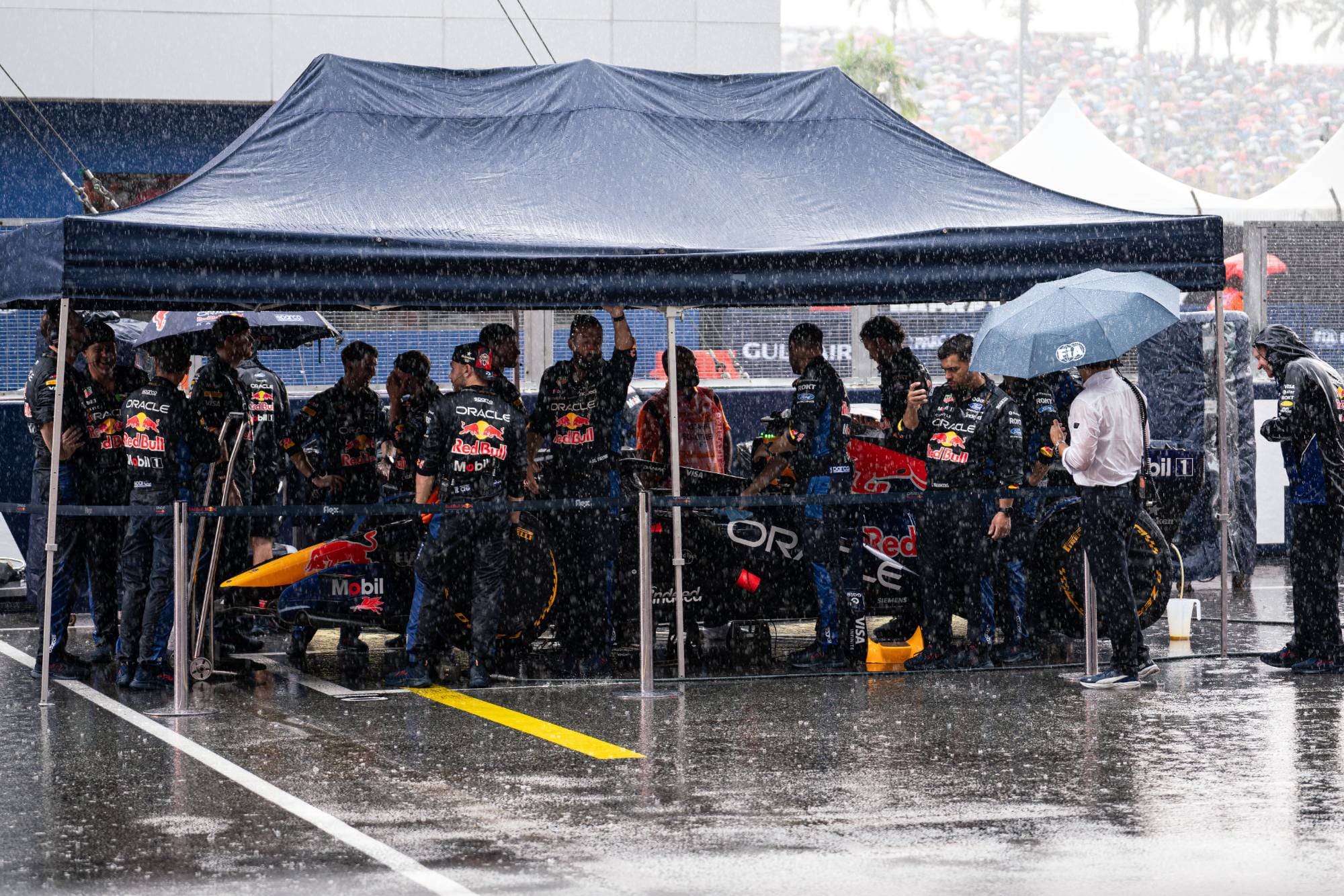
On 4 October at Sepang, some of the fastest cars in the world crawled around the track at about 20 km/h, and some stopped altogether. Nothing was broken. No mechanic could have fixed it. The cure was a software update, written by the FIA and sent to every team while the crowd waited in the rain.
It was the clearest sign yet of how much of a 2026 F1 car is now code. And it reopened the question this season keeps asking: is Formula 1 still about the driver?
What happened
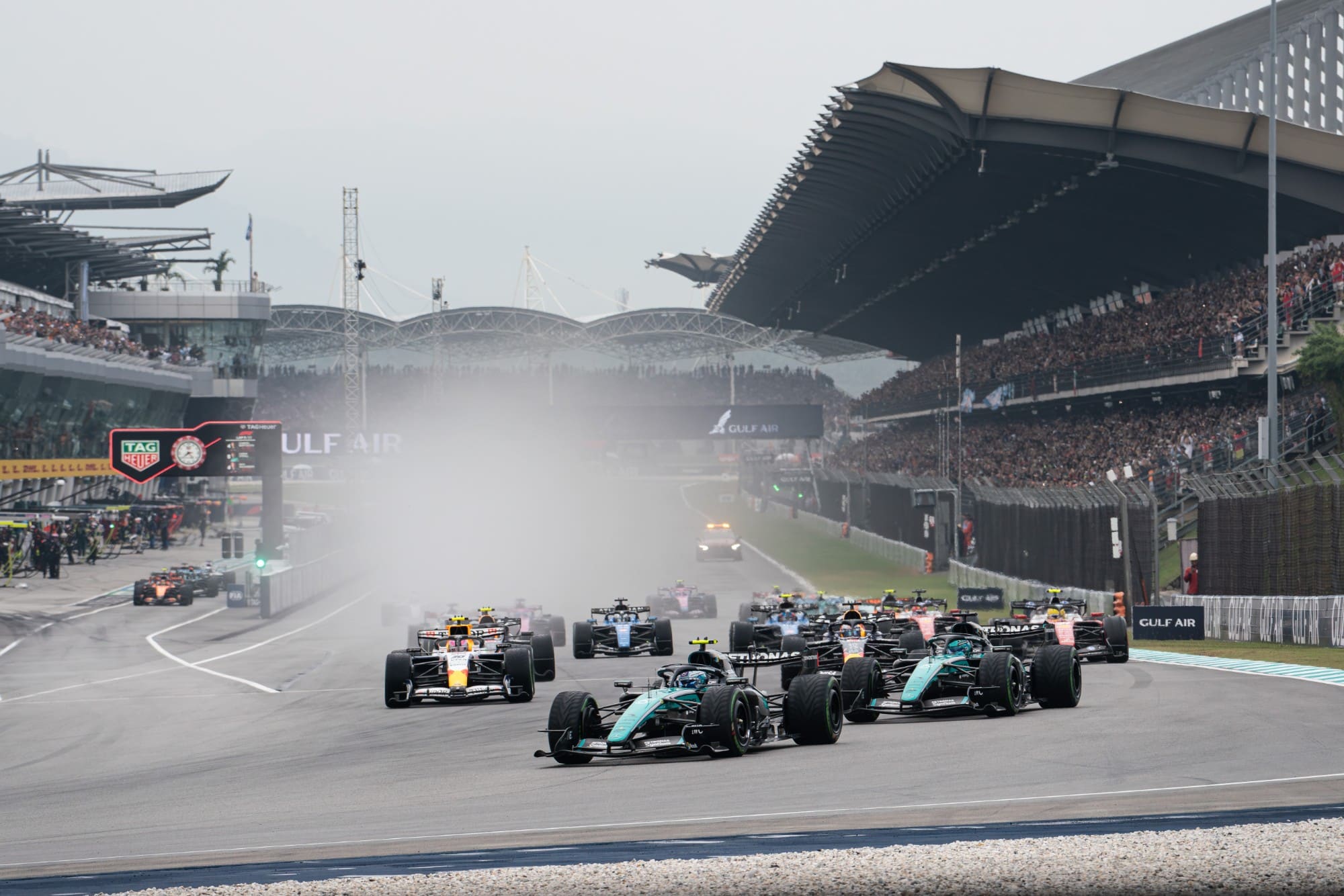
Heavy rain delayed the 15:00 start. When the cars finally set off behind the safety car, several slowed to a crawl. Lewis Hamilton had to stop and restart his car, something he said he had never done before.
The FIA’s investigation found the cause. In the wet, the cars’ energy settings applied a 250 kW power reduction in certain parts of the lap. At very low engine revs, the cut went deeper than designed and could not be recovered in those sections. With the electrical boost cut and the turbo barely spinning, some cars simply could not pull themselves along.
The FIA’s own timeline shows how it was fixed:
| Time | What happened |
|---|---|
| 15:45 | Start suspended after two formation laps |
| 15:50 | FIA finds the cause and releases new power unit software |
| 16:20 | Every team has installed it |
| 16:33 | Cars leave the pit lane for the start |
How much of a 2026 car is software?
More than ever. The 2026 engine still has a 1.6-litre turbo V6, but its electric motor now delivers up to 350 kW, up from 120 kW, and close to half the car’s power is meant to come from electricity. The MGU-H, which used to keep the turbo spinning, is gone.
That battery power is tightly rationed. Rules decide how much energy a car can deploy, where on the lap and when it must harvest it back. The settings run on a standard control unit fitted to every car, and the FIA can change them for everyone at once, as it did at Sepang. Drivers spend their laps managing it: when to lift, when to save, when to spend.
The case against: “Formula E on steroids”
Some of the sport’s biggest names do not like what that has done to driving.
- Max Verstappen called parts of the new cars “anti-racing” and said they feel “a bit more like Formula E on steroids”.
- Fernando Alonso said “the skills matter less because you can go as fast as the energy choice you make before that corner”. In fast corners, drivers often slow down on purpose to save energy for the next straight.
- Lando Norris said “you spend half your time just looking at the dash”, and that no skill should be needed just to manage energy on a cool-down lap.
Even the FIA’s president is looking elsewhere. Mohammed Ben Sulayem has said V8 engines are coming back, possibly as soon as 2030, with only “very, very minor electrification”.
The case for: skill still decided Sepang
There is another side. Software has been part of F1 engines for decades, and every team has run the same standard control unit since 2008. The 2026 rules were built around a motor F1 says is similar to road-car technology, and around fully sustainable fuel. A sport that wants carmakers involved has to race the kind of technology they sell.
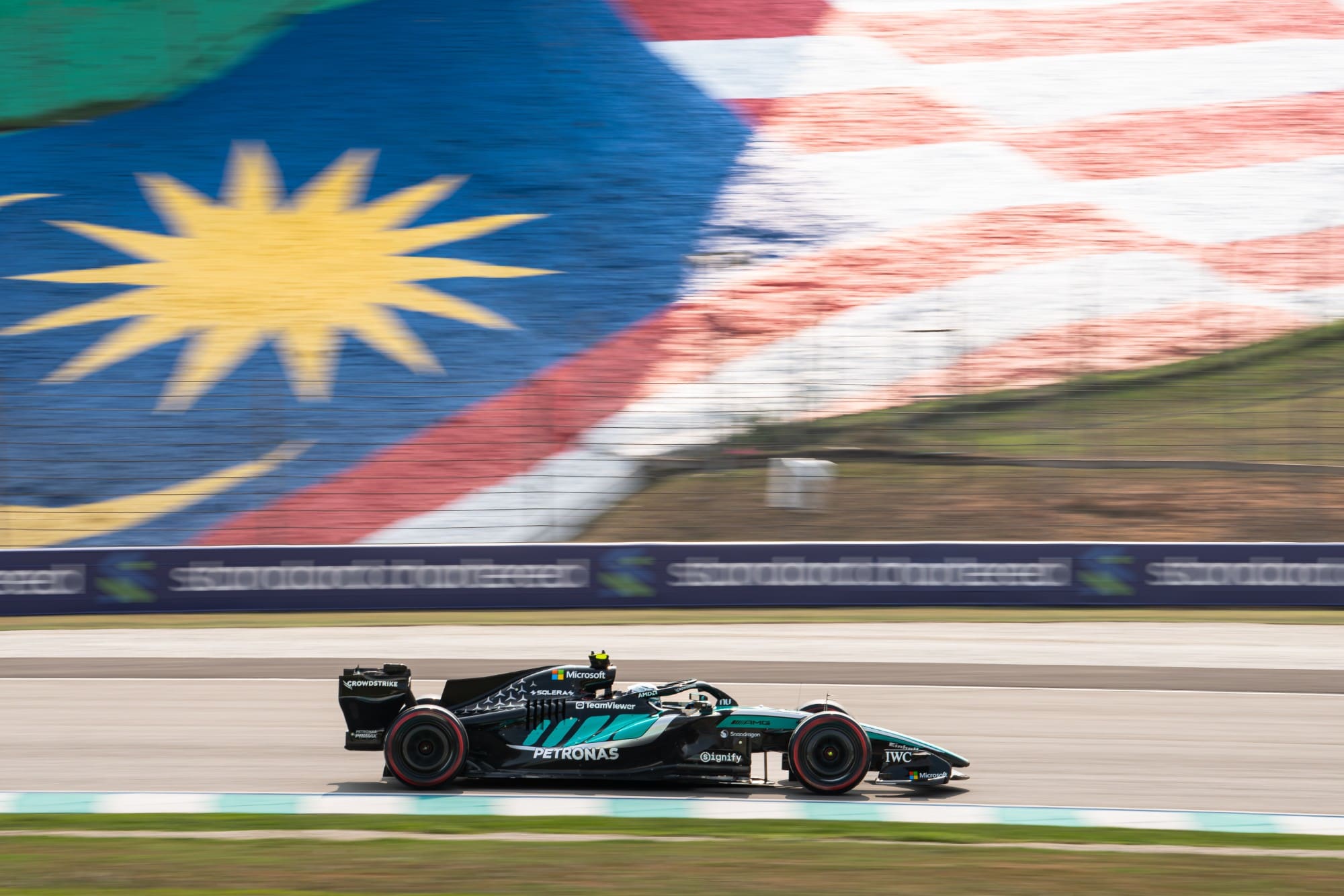
And for all the talk of code, the drivers still made the difference at Sepang. Verstappen took pole, won and set the fastest lap in difficult, changing conditions. Hamilton dropped to 18th after a strategy gamble and fought back to finish third. Managing energy well is a skill too, and the best drivers are still the ones finding time where others cannot.
What the fans said
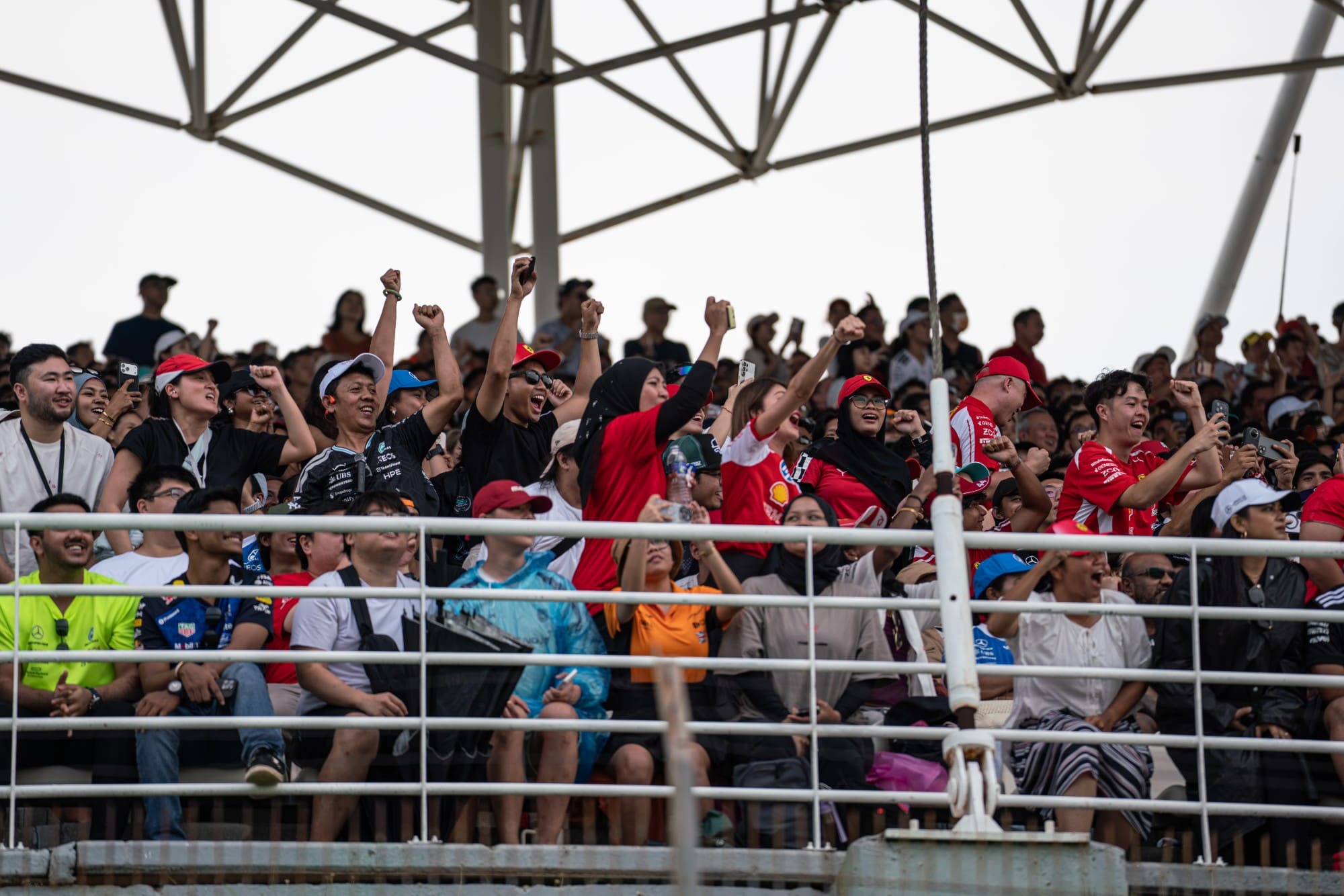
When the FIA’s findings landed on r/formula1, the most popular reply was a joke: “five minutes to find the bug, four days to write the patch notes.” Plenty of fans compared the report to a video game update.
Software engineers in the thread were more forgiving. Fixing first and investigating later is normal, they said, and the race-day fix was really a bypass that switched the limit off in the problem sectors. A proper fix takes testing, and there is almost nowhere to test an F1 car on a wet track.
Others went further. “The bug is the power unit regulations,” one fan wrote. Not everyone agreed: engines have relied on software since the 1980s, another replied, and F1 should not pretend otherwise.
What happens next
The FIA will reuse the Sepang wet-weather settings in Singapore if similar rain is expected, release a further software update for the US Grand Prix in Austin on 25 October, and tighten how the software is tested before it reaches the track.
Our take
When a car stops because of a setting, not a mistake, something is wrong. F1 should reward the driver’s right foot, not the best battery strategy.