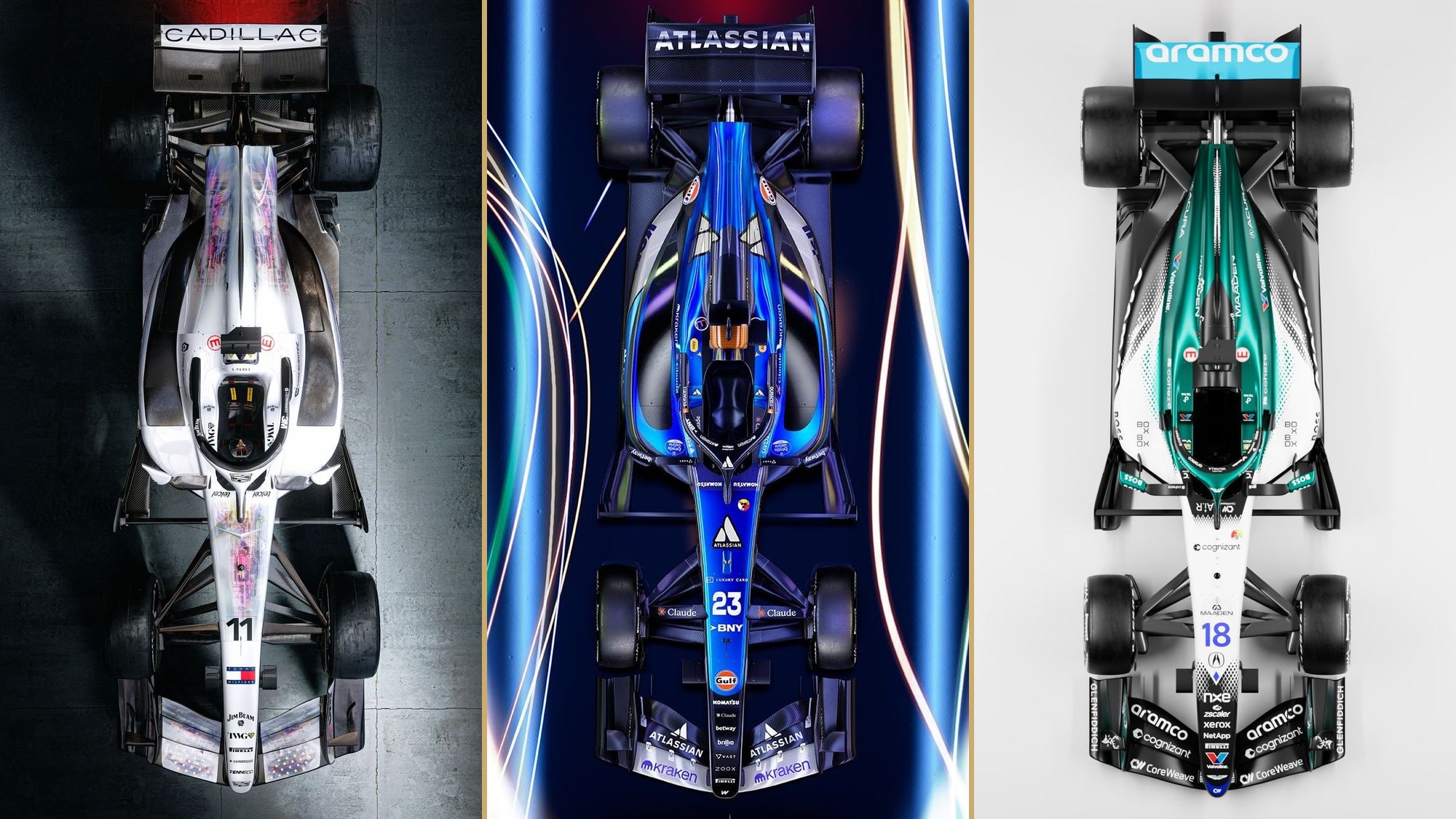
Williams has given up on 2026 to focus on 2027. Haven't we heard this before?
Williams has shelved its 2026 upgrades to save budget for 2027. It's the third year in a row the team has sacrificed one season for the next. Here's what Vowles, Albon and Sainz have said, and why it's a gamble.
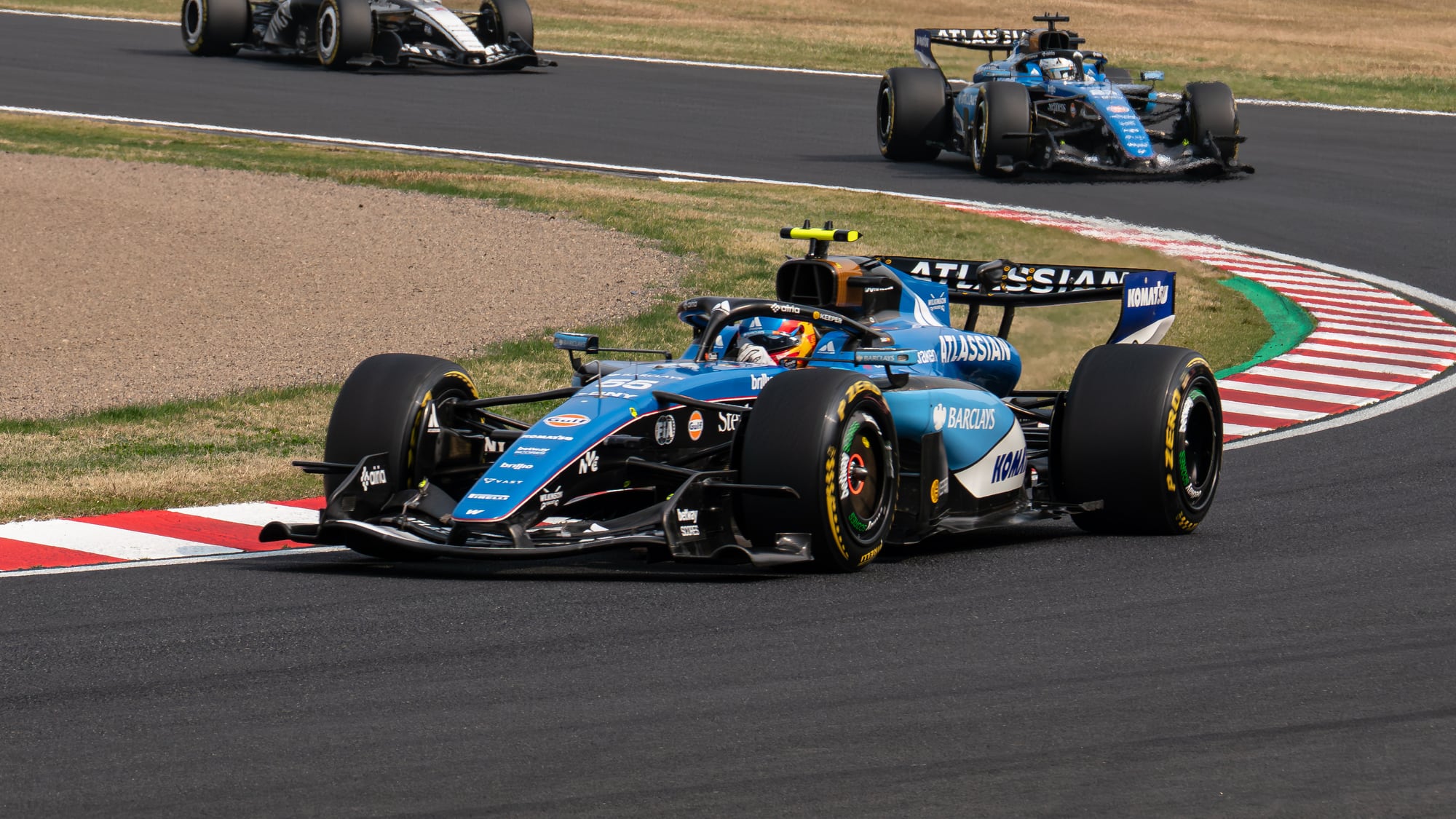
Williams has stopped trying to make its 2026 car faster. Every bit of budget left is going into next year’s car.
Team principal James Vowles confirmed it at the São Paulo Grand Prix. The team has new aero parts sitting in its wind tunnel that it has chosen not to race. The reason: “really saving the cost cap dollars for next year.”
If that sounds familiar, it should. This is the third season in a row that Williams has sacrificed for the future.
What Williams has decided
Williams finished fifth in 2025. This year it is ninth of 11 teams, with just 12 points. Only Aston Martin and Cadillac are behind.
Vowles didn’t hide how bad it has been. “We’ve had a tough year, simple as that,” he told Sky in Brazil. “Our development kicked in to ’27 early on.”
The new chassis Williams brought to Baku was really a 2027 part. “The chassis we brought to Baku were ’27 chassis, perfectly brought forward,” Vowles said. It will carry over into next year.
He admitted the call hurt. “It’s horribly painful. I can’t tell you how painful it was to sit in the meeting and make those decisions.”
And he was blunt about the rest of 2026. “We’re aware that with this car at the moment, points are only going to be there if fortune falls our way.”
Williams is even cutting back on practice laps for the last races, to make sure it stays “clean all the way through”.
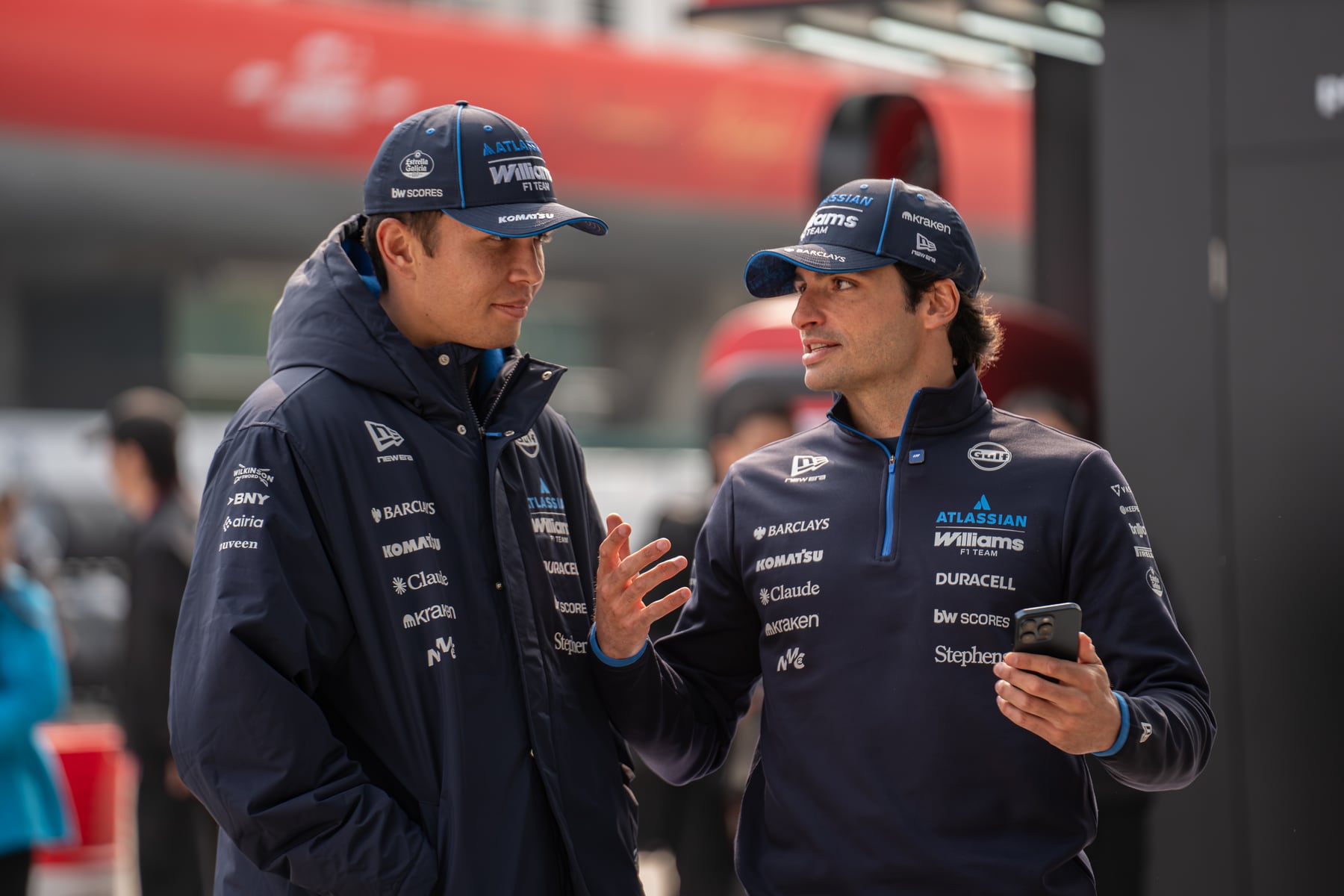
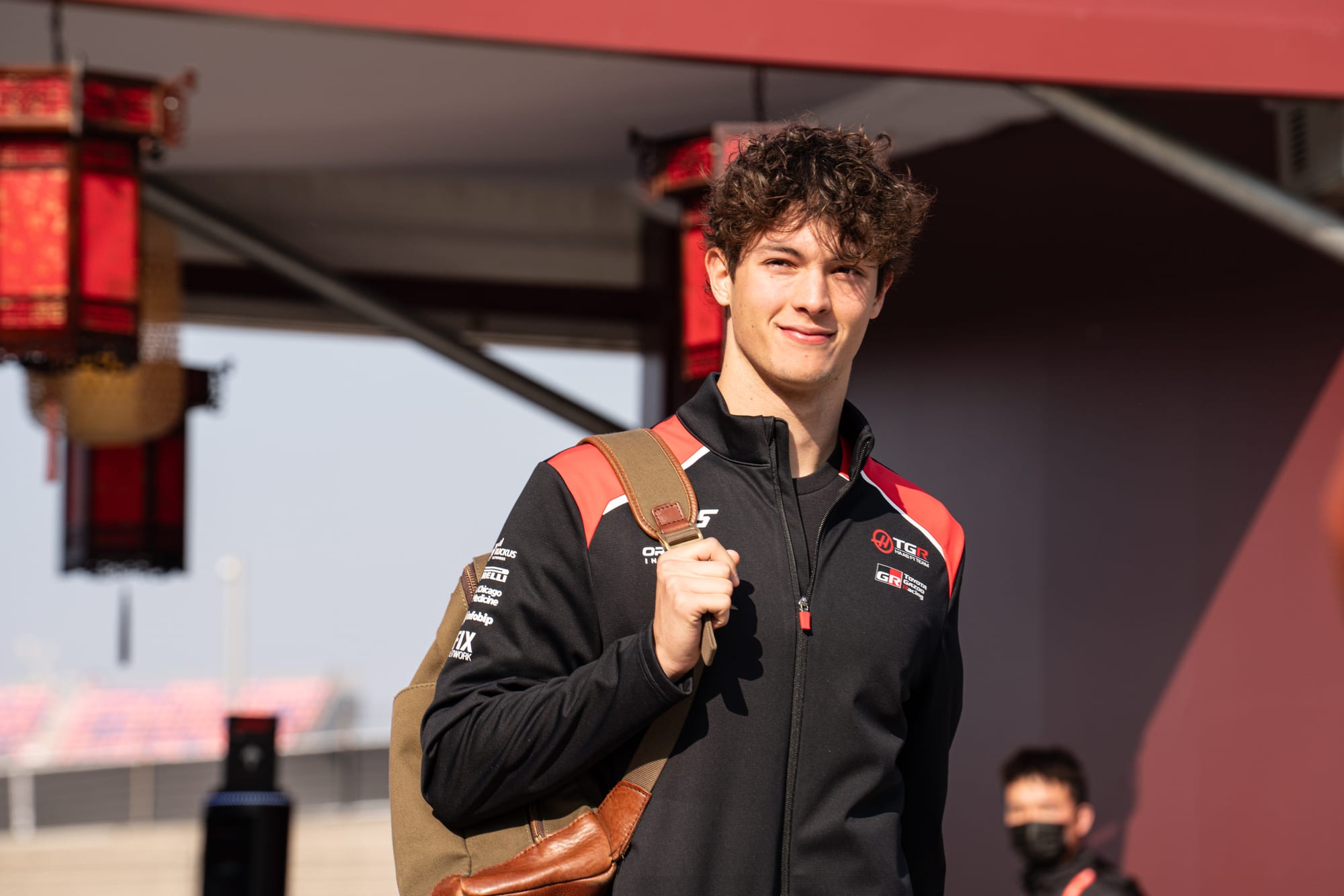
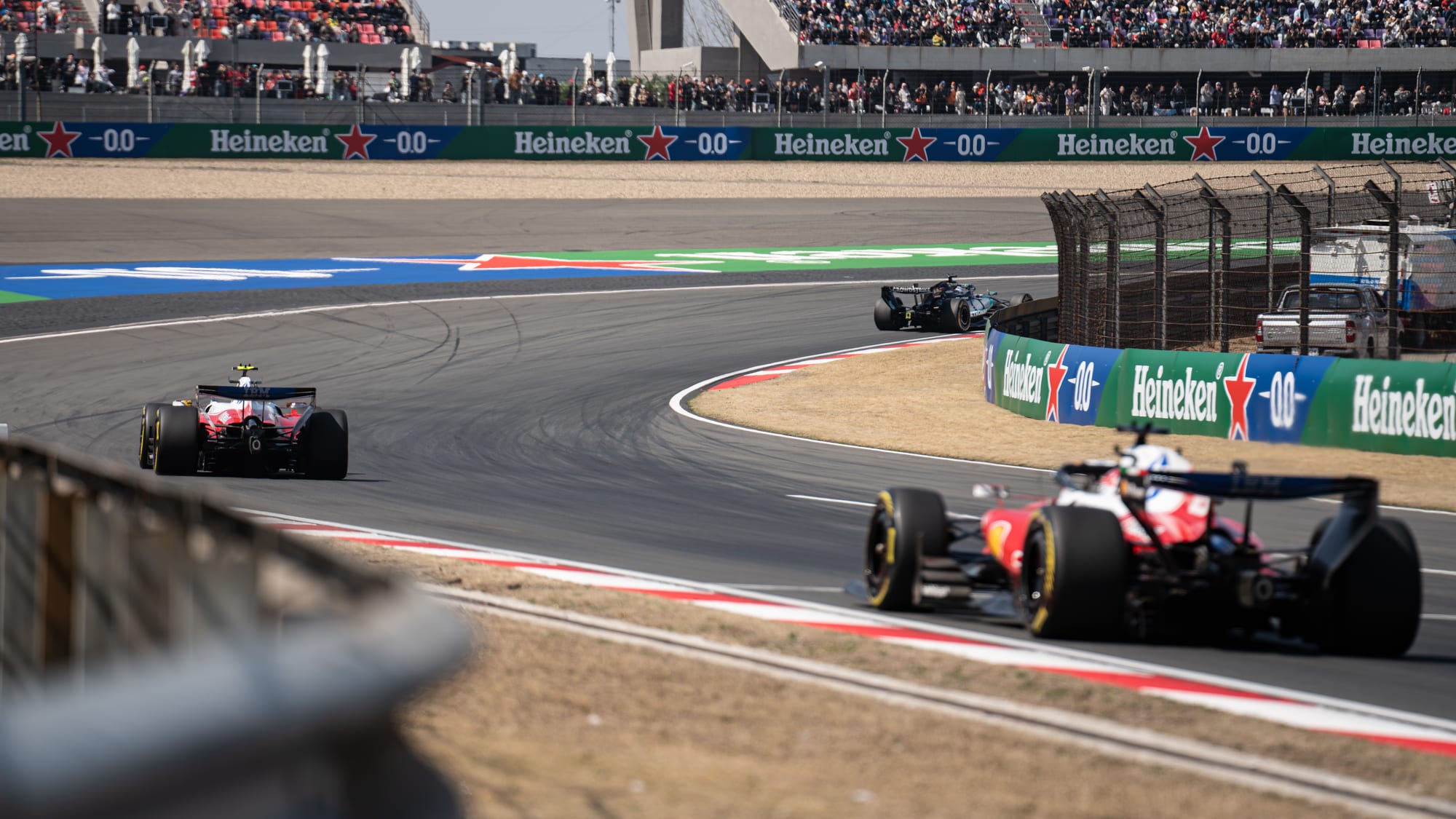
Sainz and Albon in the paddock at the Chinese GP. Photo: Wan Mikhail Roslan/NurPhoto
Why the budget cap forces the choice
Every F1 team has a spending limit for the year, called the budget cap or cost cap. Money spent on this year’s car can’t be spent on next year’s.
So a struggling team has a choice. Spend on small upgrades to grab a few points now. Or save it all and arrive next year with a better car.
Williams has picked the second option. The 2026 rules don’t reset next year, so work done now still counts in 2027.
Albon: “focus on next year”
Alex Albon has backed the plan from the start. Speaking at Sepang in October, he said: “The best way we can arrive to Race 1 next year competitive is to focus on next year.”
“That means all the simulator work that we’re doing behind the scenes is now focused on next year’s car,” he added.
After Brazil, he was honest about the cost. “We’re trying to do everything we can, but inevitably we just aren’t fast enough.”
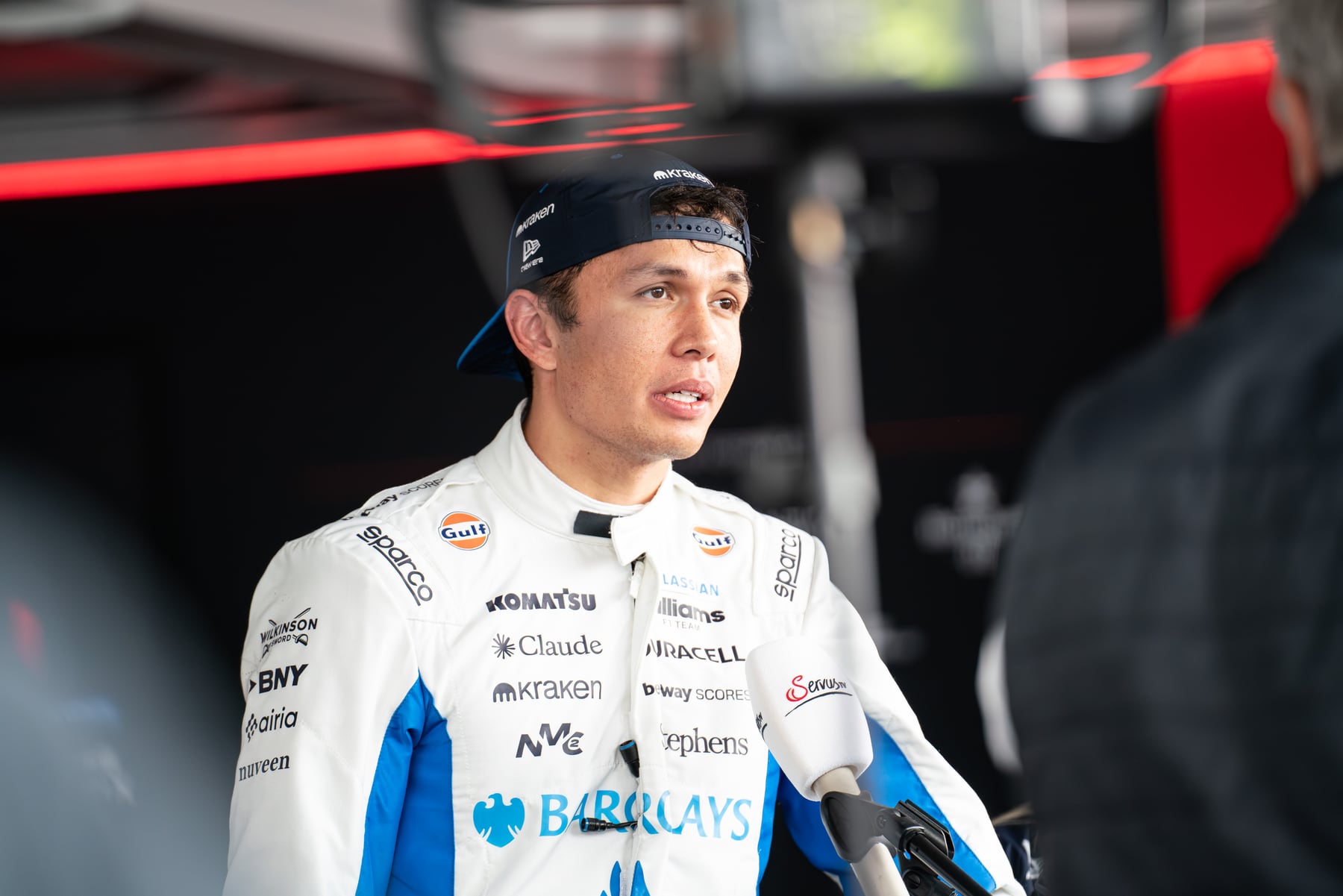
Albon speaks to the media after qualifying 17th in Japan. Photo: Wan Mikhail Roslan/NurPhoto
Sainz: not convinced yet
Carlos Sainz sounds much more fed up. “We’re in a very difficult situation,” he said after Brazil. “There’s nothing more we can do with our car.”
He even said he’d be happy if Las Vegas was the final race of the year. “With the performance we have, I would rather it be the last one of the year, but let’s see.”
More worrying for Williams, Sainz isn’t sure 2027 will be better. “Not everything that’s being introduced is working as expected,” he said in Brazil. That “leaves me with some level of doubt when I test the simulator and see the numbers we’re producing for next year.”
Some of Sainz’s comments were given in Spanish, so English wording differs slightly between outlets.
Haven’t we heard this before?
Yes. Twice.
2024. Before the season, Vowles said the plan was always to sacrifice two years. “I always said from the beginning we’re going to sacrifice 2024 and 2025,” he said. “No one, neither side, wants any short-term fixes.” Williams fell from seventh to ninth that year.
2025. In April, Williams became the first team to scrap development of its 2025 car to focus on the big 2026 rule change. “We’re in a mess because we were short-termist all the way through the last 20 years,” Vowles said then.
Here’s the twist. The year Williams gave up on, 2025, turned out to be its best in years. It finished fifth.
The year it was all for, 2026, went wrong from the start. The car missed a private shakedown test in Barcelona in January. Vowles has since called it “the disaster we had this winter”.
Now the answer is 2027.
The fair side of the argument
Vowles’s plan was never just about one car. A lot of the work has gone into the factory, tools and processes, which don’t show up on a timing screen. “We’ve changed actually quite a bit of the software systems, ways of working,” he said in October.
He also says the team has learned from the winter. “I’m confident that we won’t have any of the disaster we had this winter,” he said in October. But he admits there are no promises: “You don’t know until you turn up at the first race next year.”
Our view
Giving up on a bad car makes sense. Williams can’t win anything in 2026, and every dollar saved helps 2027.
But “next year” can’t be the answer forever. Fans and sponsors have heard it three seasons running, and Sainz, the team’s star signing, is openly unsure. 2027 is the year Vowles’s long-term plan has to show it works on track.
Williams’ next chance to grab a point comes in Las Vegas next weekend, before Qatar and Abu Dhabi close the season.